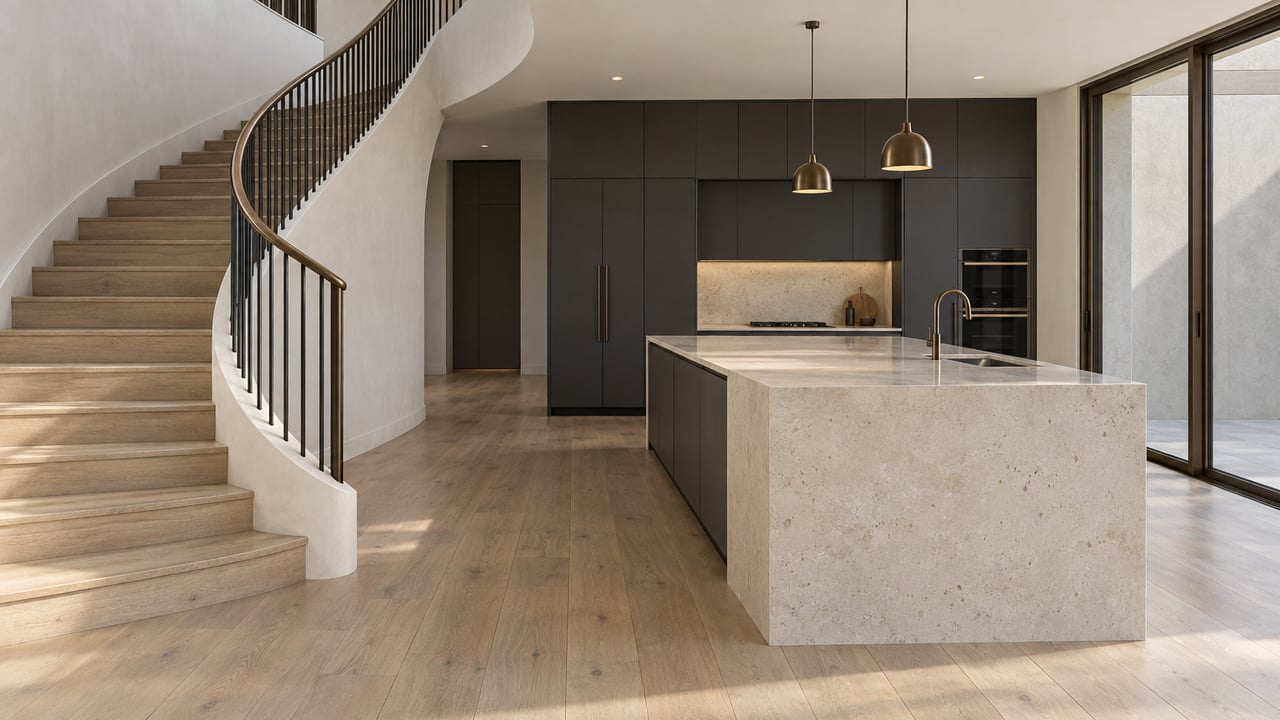
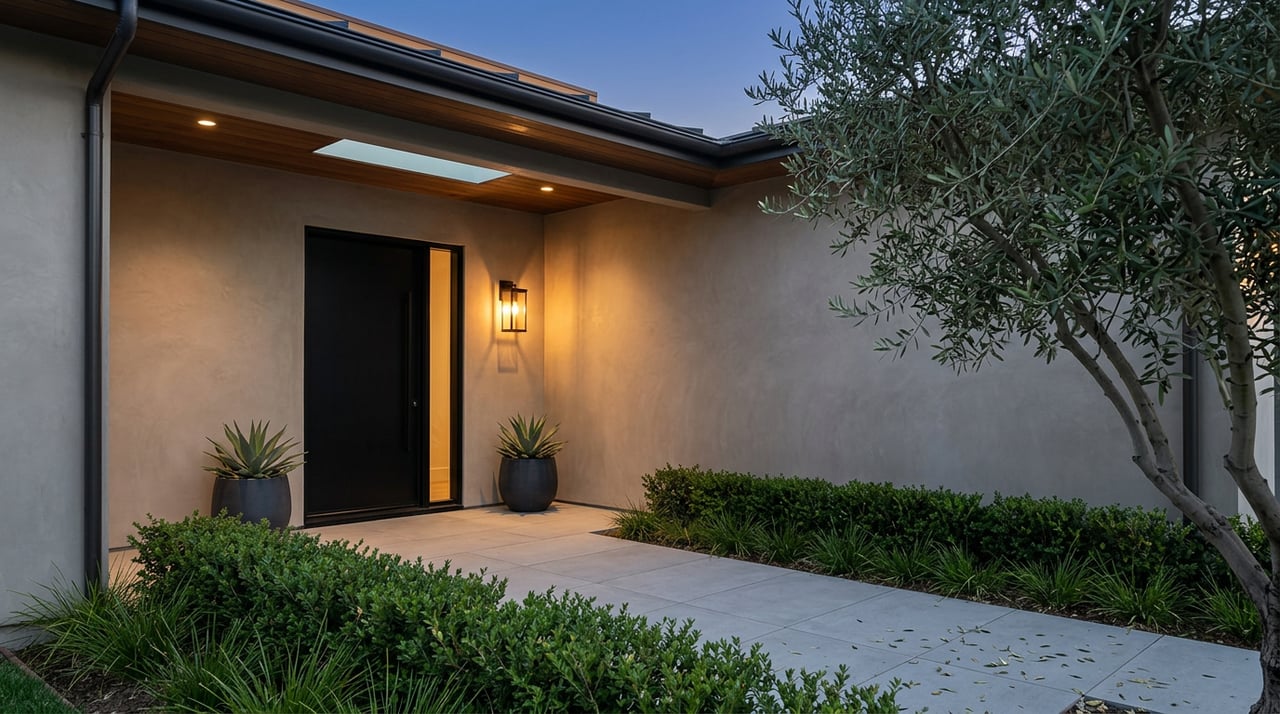
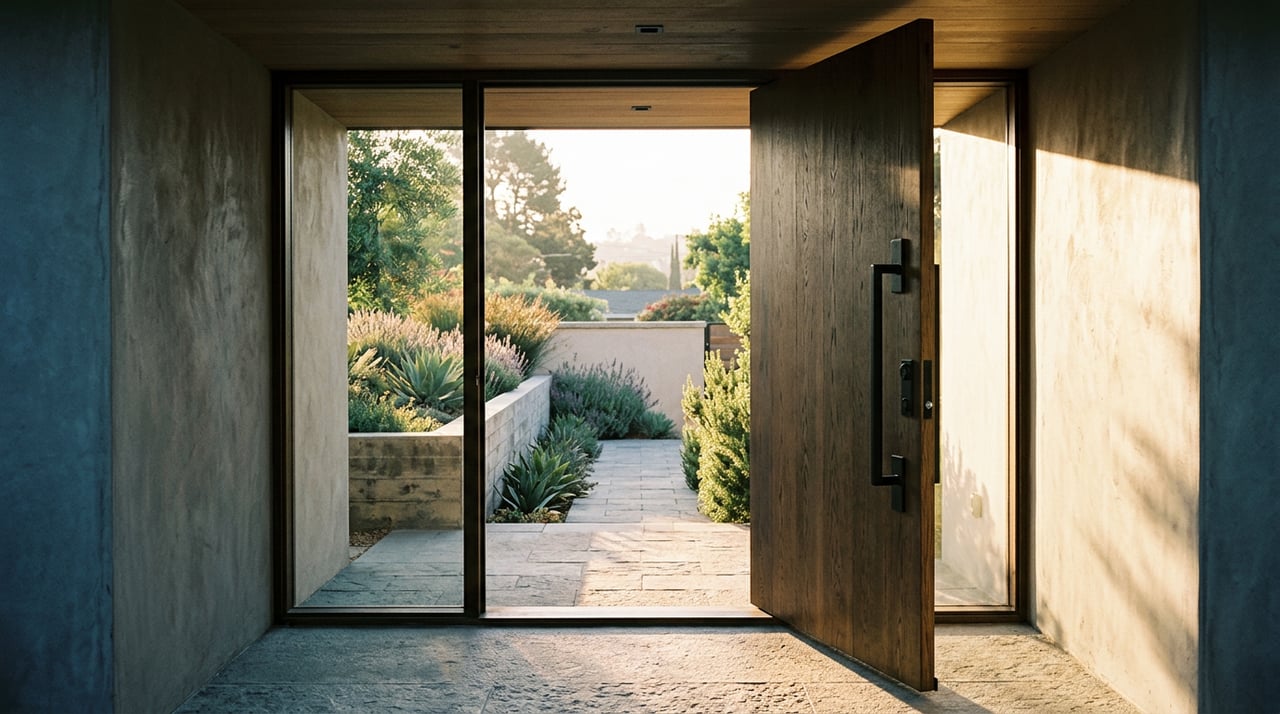
Two buyers are closing on homes in The Meadows this month. One sat in a Toll Brothers sales office off Bake Parkway, picked a lot in an active collection, and signed a builder purchase agreement. The other made an offer on a resale listing three streets over, in a home an original buyer closed on back in 2023. Both will get keys to a Toll Brothers-built house inside the same gated master plan, with access to the same recreation center and the same stretch of the Serrano Creek Trail. Almost nothing else about their transactions is the same.
That gap is the thing nobody explains clearly enough before someone signs. The Meadows opened its first model homes in November 2022, and by the time the community sells its final lot, whenever that is, it will have spent years as two overlapping markets: a live builder sales operation and a growing resale pool of homes already a few years old. A buyer shopping "The Meadows" today can land on either side of that line without realizing the paperwork, the protections, and the risk are almost unrecognizable from one path to the other.
The Deposit Question Nobody Asks Until It's Too Late
If you buy resale in The Meadows, you're working inside the standard California purchase agreement most buyers already understand at a gut level. You put down an initial deposit, and then you have windows, typically around seventeen days, to inspect the property, review the seller's disclosures, and either move forward or cancel and get your money back. Financing and appraisal contingencies work the same way. Miss a deadline without removing a contingency in writing and the contract can lapse, but the default posture protects the buyer until they actively give that protection up.
Buy new construction from Toll Brothers and that posture flips. Builder purchase agreements are their own document, separate from the C.A.R. forms resale buyers use, and they're built around the builder's construction schedule rather than a buyer's inspection period. The initial deposit typically becomes non-refundable once the lot is formally released to you, which can happen within a few weeks of signing. From that point forward, walking away isn't a matter of missing a contingency deadline. It's a matter of forfeiting the deposit outright, absent a specific written exception the builder has agreed to.
This isn't a defect in Toll Brothers' process. It's how production builders structure risk when they're committing a lot, a floor plan, and months of construction labor to a single buyer before ground is even broken. But it means the mental model most Orange County buyers carry into a purchase, the one where you can back out during inspection with your deposit intact, does not automatically apply once you walk into a builder sales office instead of responding to a resale listing.
What the Warranty Actually Covers, and What It Doesn't
Ask a resale buyer in The Meadows about their home's warranty and the honest answer is usually none, beyond whatever remains of Toll Brothers' original coverage that transfers with the property. Ask a new-construction buyer the same question and the answer sounds reassuring on its face: a structural warranty running years into the future.
The detail that matters is scope. Toll Brothers' structural coverage applies to load-bearing failures serious enough to make the home unsafe. It does not extend to exterior cladding, meaning stucco and siding issues sit outside that protection even if they show up early. Systems and workmanship coverage run on shorter clocks than the structural warranty, and the warranty document typically states it is the buyer's sole remedy, meaning it can limit avenues to pursue a claim outside that specific process.
None of this makes new construction a worse purchase. It means a new-build warranty is a narrower promise than the word "warranty" tends to suggest, and a resale buyer has zero equivalent, only the seller's required disclosures and whatever an independent inspection turns up before closing.
The Two Paths, Side by Side
| New construction (active phase) | Resale (original owner selling) | |
|---|---|---|
| Deposit | Often non-refundable shortly after lot release | Protected by contingencies until you remove them in writing |
| Contingencies | Governed by builder-specific contract terms | Standard California inspection, loan, and appraisal contingencies |
| Warranty | Builder structural, systems, workmanship coverage with defined exclusions | None from the builder; buyer relies on inspection and seller disclosures |
| HOA documents | Provided by builder at contract | Resale certificate and CC&Rs ordered through escrow |
| Closing timeline | Tied to construction completion, often 9 to 15 months out for a to-be-built home | Standard 30 to 45 day escrow once in contract |
The Solar Question, Answered Once, For Everyone
Here's one place where The Meadows is simpler than a lot of older Lake Forest communities, and it's worth saying plainly. California's building code began requiring solar photovoltaic systems on new residential construction starting in 2020, and Toll Brothers has been explicit that this code change shaped how it builds in the state. Because every home in The Meadows was constructed after that mandate took effect, solar here isn't a retrofit bolted on years after the original sale. It came with the house from day one, as part of the original construction rather than something a later owner added and financed on their own terms.
Compare that to older, pre-2020 Lake Forest communities, where solar frequently arrived as a homeowner-added retrofit, and where ownership status, owned, leased, or under a power purchase agreement, can vary from one house to the next depending on which company installed it and when. In The Meadows, that particular scavenger hunt doesn't apply. What still matters, on either the new-construction or resale side, is confirming during escrow whether the specific system is fully owned, financed through a loan, or tied to a PPA, since builders can satisfy the state mandate through more than one financing structure and the paperwork should say which one applies to the house you're buying.
The HOA Envelope You Only Get on Resale
New-construction buyers get their governing documents directly from Toll Brothers as part of the purchase process. Resale buyers go through a different step entirely: a resale certificate and the HOA's CC&Rs, ordered through escrow rather than requested by the buyer directly. In California, it's standard for the title or escrow company to handle this on the seller's behalf, with the associated fees settled at closing rather than paid upfront. That document package covers the association's financials, any pending special assessments, and the specific rules that govern the property, information a new-construction buyer simply doesn't need to request because the builder is still the one answering those questions.
The practical takeaway: if you're buying resale, ask your agent early whether the resale package has been ordered, not the week before closing. It's one more moving piece that new-construction buyers never have to think about at all.
Frequently Asked Questions
Is Toll Brothers still selling new construction in The Meadows as of September 2026? Availability shifts phase by phase as collections sell out. The only reliable way to know current status for a specific collection is to confirm directly with Toll Brothers' Lake Forest sales team or with an agent tracking the community closely.
Does a resale home in The Meadows come with a solar bill I should worry about? It might, depending on how the original build satisfied the state mandate. Solar here is standard equipment installed during original construction rather than a later retrofit, but the underlying financing, owned, loan, or PPA, still varies by builder agreement. Confirm the specific arrangement during escrow rather than assuming.
Can I compete with a builder purchase by waiving contingencies on a resale offer? You can, and some buyers do in competitive situations, but it's worth understanding exactly what you're giving up. A waived contingency on a resale offer starts to resemble the non-refundable posture of a new-construction deposit, without the fixed completion date a builder contract provides in exchange.
Whether you're weighing a Toll Brothers reservation against a resale listing in The Meadows, or trying to figure out which path actually fits your timeline and risk tolerance, that's exactly the kind of decision a broker-owner should be walking through with you directly, not after you've already signed. The Harter Group works both sides of this community regularly. Reach out before you're standing in a sales office deciding what to initial.