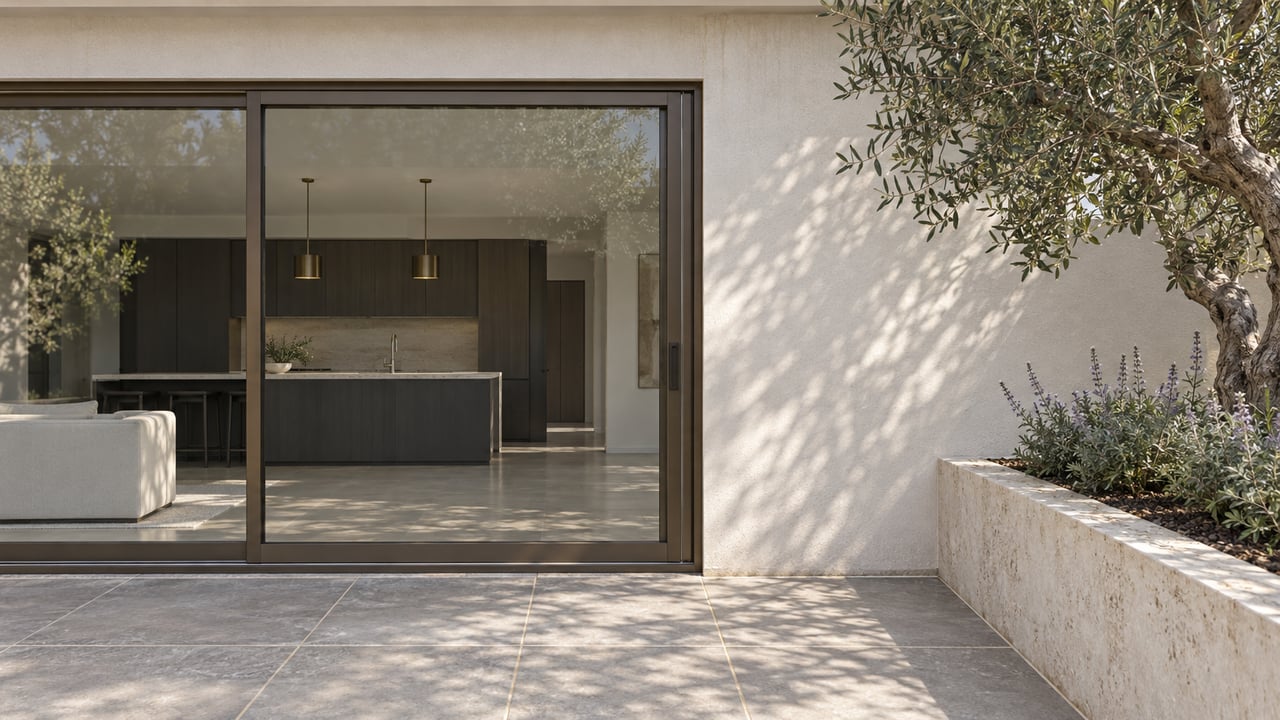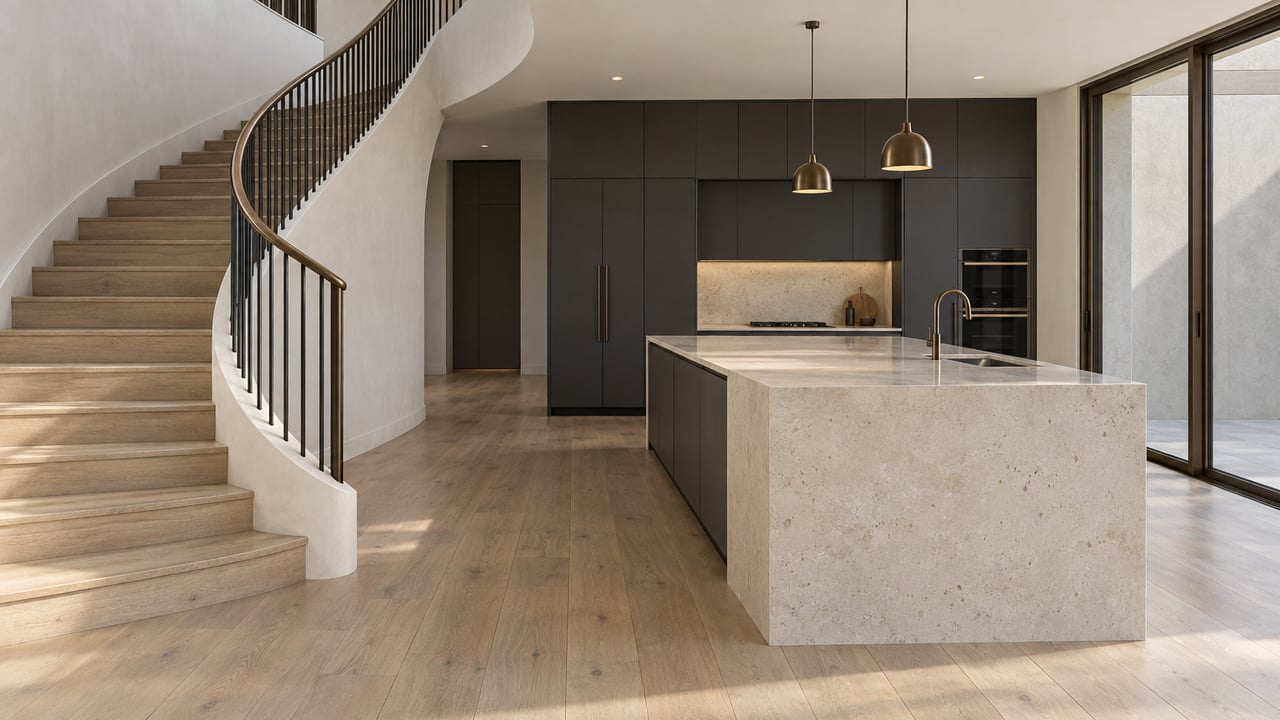
Torn between a brand-new home and a well-kept resale in Orchard Hills? You are not alone. This choice affects your timeline, budget, and day-to-day living for years to come. In this guide, you will learn how new construction and resale homes compare on costs, timelines, inspections, warranties, HOA rules, and long-term value in the Orchard Hills area of Irvine. You will also get practical checklists and touring tips so you can move forward with confidence. Let’s dive in.
Orchard Hills market basics
Orchard Hills sits within the Irvine and Orange County market, where you often see a higher price per square foot, strong school districts, and master-planned neighborhoods with HOAs and amenities. Many buyers here are move-up families, relocators, or investors who value lifestyle features like parks, trails, and pool access. That context matters when comparing new construction and resale.
New homes can carry a premium because of newer systems, builder profit, lot premiums, and modern features. Resales sometimes offer more negotiation room, though you may budget for updates to reach the same finish level. Inventory and timing also differ. Resales can be tight in active markets. New builds can require patience if you are buying before completion. Builder incentives and spec-home availability can change timelines and costs, so always confirm current options.
Your monthly costs in Orchard Hills can include more than the mortgage. Many Irvine-area communities have HOA dues and community facilities district assessments (often called Mello-Roos). You should request these disclosures and calculate their effect on your monthly budget and total cost over time. New construction can also trigger supplemental tax assessments. With resales, you can often review historical HOA statements and utility costs to understand ongoing expenses.
Cost comparison
New construction costs
- Base price plus add-ons. Expect potential lot premiums for views or location, structural options, finish upgrades, and landscaping packages.
- Incentives with conditions. Builders may offer rate buydowns or closing credits that are tied to a preferred lender or contract terms. Run a full comparison before you commit.
- Carrying costs during the build. If you are selling a current home, plan for temporary housing, rentbacks, or overlapping mortgages while you wait for completion.
- HOA and assessments. Budget for HOA startup fees and any Mello-Roos that apply in the neighborhood.
Resale costs
- Negotiable price and credits. You can often secure repair credits or a price reduction after inspections.
- Potential renovation budget. A below-market resale may need updates, so include time and cash for improvements.
- Faster occupancy. Many resales can close in 30 to 45 days, which can reduce overlapping costs.
- Clearer operating history. You can review actual utility bills, taxes, and HOA records to validate monthly costs.
Financing and appraisal
- Appraisals. Resales use local comparable sales, which is usually straightforward. Newer subdivisions may have limited comps, which can complicate appraisals and require a larger down payment if the value does not meet the contract price.
- Lenders. Builder-preferred lenders may provide incentives. Compare the total cost of funds with quotes from independent lenders so you know your true net benefit.
- Timelines. Resale closings are often 30 to 45 days. New construction timelines vary. A move-in ready spec home can close in 30 to 90 days. Presales or semi-custom builds commonly range from 6 to 18 months, depending on scope and crews.
Inspections, contingencies, and risk
Contract differences
Resale contracts typically include contingencies for loan approval, appraisal, and inspections of the roof, structure, systems, and pest conditions. You can often negotiate repairs or credits after due diligence. New-build agreements usually include stricter terms with limited change orders and narrower inspection windows. Confirm the specific rights and timelines in writing before you sign.
Inspections and warranties
New construction still benefits from independent inspections. Try to schedule at least a pre-drywall and a final inspection. Most builders follow an industry-standard warranty structure of one year for workmanship, two years for mechanical systems, and ten years for major structural items. Exact coverage varies, so get the full document and claim process in writing. Resale buyers should order a general home inspection plus pest, roof, chimney, HVAC, or sewer scope as condition suggests. You can add a home-warranty plan at close if you want extra peace of mind.
Master-planned risks
In new phases of Orchard Hills, you may be near planned roads, schools, or future construction. Ask for recorded maps and the community buildout timeline. Early-stage common areas, grading, and landscaping can take time to mature, which can affect drainage and privacy. Brand-new HOAs may have limited reserve history, so dues and policies can change as the community stabilizes.
Finishes, energy, and amenities
New construction in California follows current building codes and energy standards. You often see modern floor plans with open living, larger primary suites, integrated tech wiring, and EV charging readiness. Many new single-family homes in California since 2020 include solar systems or are solar ready, which can affect operating costs and ownership details. New HVAC and water heating equipment is usually more efficient, which can reduce near-term maintenance.
Resales can offer mature landscaping and architectural character that you may not find in newer tracts. If systems are older, plan for roof, window, HVAC, or water heater updates within your ownership timeline. Ask for maintenance records and permits for any major remodels.
HOA rules and amenities should be part of your decision. Newer communities often feature pools, fitness spaces, parks, and trails. CC&Rs can be strict about exterior appearance, parking, and rentals. With resales, you can review historical budgets, reserve studies, meeting minutes, and rules to understand how the HOA operates and what projects are planned. This visibility can be valuable when you are comparing options.
Key items to request and verify
- HOA budget, CC&Rs, reserve study, meeting minutes, and any planned capital projects.
- Builder warranty document, claim process, and any third-party warranty administrator.
- Solar details for new homes or homes with solar. Confirm ownership (owned or leased), interconnection terms, and expected output.
- Permits and finals. For resales, request permit history and final inspections for major work. For new builds, confirm permits and the certificate of occupancy will be issued before closing.
Decision checklist for Orchard Hills
Use this side-by-side to compare a specific new home and a specific resale.
Financial and taxes
- Confirm base price, known upgrades, estimated closing costs, and any builder incentives.
- Get full disclosure of any Mello-Roos or community facilities assessments and how long they last.
- Ask for expected first-year property taxes and any supplemental assessments.
- Compare total monthly cost: mortgage, HOA, Mello-Roos, utilities, and insurance.
Timing and logistics
- Your desired move-in date vs the builder’s schedule or resale closing timeline.
- Plan for overlap solutions if needed, such as rentbacks or a bridge loan.
Condition and maintenance
- Resale: age of roof, furnace, AC, water heater, and windows; pest and moisture history; any permitted renovations.
- New: warranty scope, claim steps, and expected timing for nearby construction or common-area completion.
Lifestyle and amenities
- Compare HOA rules, including exterior standards and rental policies.
- Confirm amenity access, hours, and maintenance responsibilities.
Resale value and exit strategy
- Review nearby comps and neighborhood turnover.
- Consider how upgrades and solar ownership affect future resale potential.
- For new construction, review historical resale performance of similar models by the same builder in the area.
Touring tips
When you tour homes in Orchard Hills, bring a simple plan and use your senses.
At the home
- Walk the lot at different times of day to check sun, traffic noise, and nearby construction activity.
- Scan workmanship: door and window alignment, grout lines, paint touchups, cabinet reveals.
- Test systems: run faucets, check drainage, turn on HVAC, test outlets and GFCIs, and flush toilets.
- Do a smell check for signs of moisture, pets, or chemicals.
Documentation and disclosures
- Resales: ask for utility bills, permit history, seller disclosures, HOA statements, and pest reports.
- New builds: ask for plans, upgrade list, site plan, warranties, and a timeline for completion of any remaining items.
Questions to ask
- Builder: Which warranties are included? What is the punch-list and repair timeline? Which finishes are included vs model upgrades? Is solar included and who owns it? What are the expected HOA and Mello-Roos fees?
- Listing agent: How long on market? Any known repairs, insurance claims, or unpermitted work? Typical utilities?
- HOA: Request CC&Rs, recent minutes, budget, reserve study, and vendor contracts.
New community specifics
- Confirm whether the lot is a model or parade home and get a written list of what is included in your purchase.
- Ask which items are factory installed versus dealer installed, and which carry manufacturer warranties.
- Document all punch-list items in writing and confirm the expected turnaround time for warranty work.
Which path fits you
Choose new construction if you want modern layouts, energy-efficient systems, potential solar, and a builder warranty, and you can wait for the builder’s timeline. This path can deliver a turnkey feel and minimal near-term maintenance. Make sure you understand total cost, including upgrades and any Mello-Roos.
Choose resale if you prefer a faster move-in, mature landscaping, and clearer operating history, and you are comfortable planning for updates over time. You may gain negotiation leverage and immediate occupancy. Validate condition with inspections and check HOA documents carefully.
In both cases, compute your total cost of ownership instead of focusing only on price. Add up your mortgage, HOA dues, Mello-Roos, taxes, utilities, likely maintenance, and upgrade plans. Then match the timeline and lifestyle to your needs.
Get local guidance
You deserve a smooth, informed decision in Orchard Hills. If you want a second set of eyes on costs, contract terms, or HOA details, reach out to the local team that treats every move like a bespoke project. Connect with The Harter Group for a clear plan, private tours, and negotiation strategies that protect your time and budget.
FAQs
What is Mello-Roos and how does it affect my budget in Orchard Hills?
- Many Irvine-area communities use community facilities district assessments, often called Mello-Roos, which are paid annually and can significantly affect your monthly and long-term costs. Request full disclosures and include them in your total budget.
How long does it take to move into a new build vs a resale in Orchard Hills?
- Resales often close in 30 to 45 days. Move-in ready spec homes can close in 30 to 90 days, while presales or semi-custom builds commonly take 6 to 18 months depending on scope and availability.
Do new homes in Irvine include solar?
- Many new single-family homes built in California since 2020 include solar or are solar ready under current energy standards. Always verify whether solar is included, optional, owned, or leased and how that affects your operating costs.
What warranties come with new construction near Orchard Hills?
- Builders commonly provide a warranty structure around one year for workmanship, two years for mechanical systems, and ten years for major structural items, with exact terms defined in the builder’s written warranty.
Can I use my own lender if a builder offers incentives?
- Usually yes, but builder incentives are often tied to using a preferred lender or meeting specific terms. Compare the incentive value with independent lender quotes so you understand your true net cost.
Which inspections should I order for a resale in Orchard Hills?
- Start with a general home inspection and pest inspection, then add roof, chimney, HVAC, sewer, or other specialty inspections based on the property’s age and condition. Ask for permits and maintenance records to verify past work.