Thinking about a move in Orange County but not sure where to start? If you have toured Irvine, Lake Forest, Ladera Ranch, or Rancho Mission Viejo, you have likely felt the pull of master-planned living. The blend of parks, pools, trails, and tidy streets makes day-to-day life feel easier and more enjoyable.
In this guide, you will learn what makes a master-planned community different, why they lead OC moves, how HOAs affect your budget and lifestyle, and how to choose the right fit. You will also see local examples to help you narrow your search. Let’s dive in.
What is a master-planned community
A master-planned community is a large neighborhood designed and built under one coordinated plan over many years. It blends homes with parks, trails, clubhouses, and small retail or school sites for daily convenience.
Typical features include:
- Central design guidelines and CC&Rs that shape architecture and landscaping.
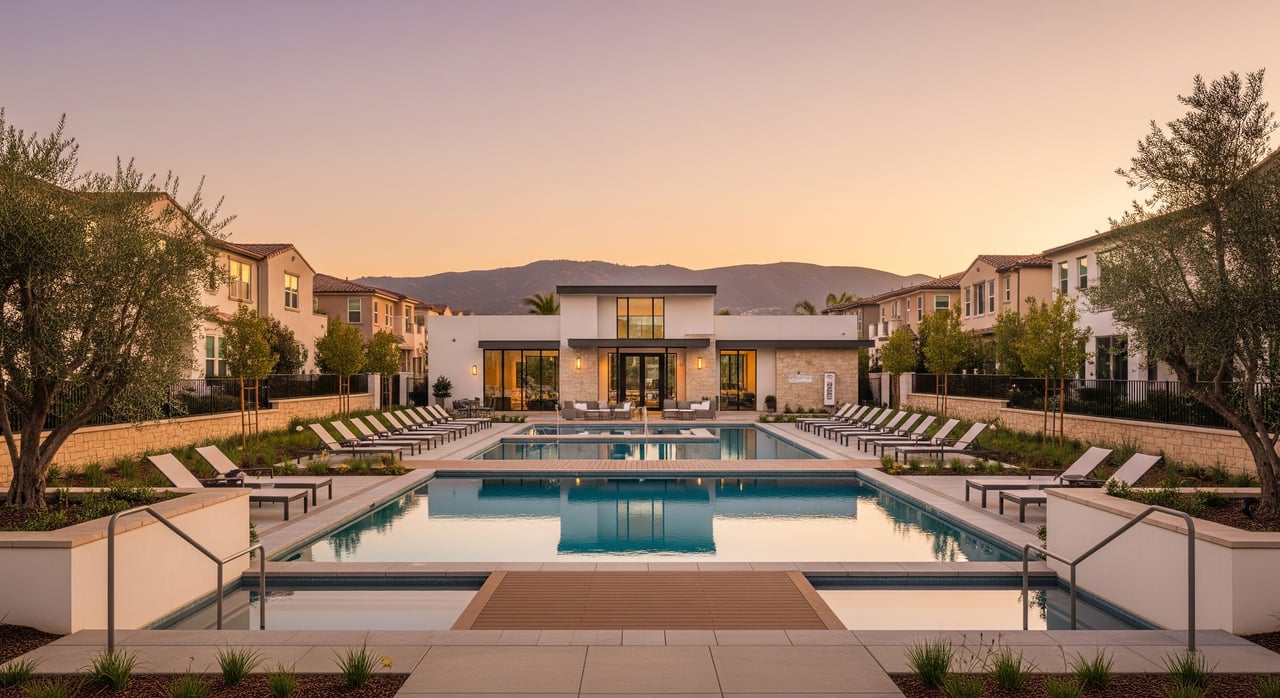
- Community amenities like pools, clubhouses, fitness rooms, sports courts, and events.
- Landscaped common areas and maintained open space.
- Planned streets and paths for walking and biking, plus connections to shops or schools.
- HOA governance that manages common areas and enforces rules.
Compared with a standard subdivision, an MPC focuses on a complete lifestyle, not just streets and lots. You trade some freedom to customize for consistent upkeep, amenities, and a cohesive look and feel.
Why MPCs lead OC moves
Lifestyle fit and everyday ease
Orange County buyers value sunshine, outdoor time, and low-maintenance living. MPCs deliver with pools, parks, and trails you can use year-round. Many buyers prefer paying HOA dues instead of handling major yard work or exterior maintenance themselves. If you want an active, convenient lifestyle, the MPC setup makes sense.
Strong planning and execution
Irvine’s village model created connected parks, retail nodes, and pedestrian paths that shape daily life. Many buyers also value the consistent quality of public spaces and the presence of nearby schools. Lake Forest communities such as Baker Ranch and Foothill Ranch, along with Ladera Ranch and Rancho Mission Viejo, follow similar principles with cohesive recreation centers and open-space buffers.
Jobs, commuting, and access
A lot of OC MPCs sit near job centers and major routes. Proximity to Irvine’s business parks and John Wayne Airport, plus access to I-5, I-405, 55, and the 241 and 261 toll roads, helps reduce commute stress. When you can reach work and errands faster, your home life feels more balanced.
Curb appeal and consistency
HOAs maintain common areas, signage, and landscaping. The result is strong curb appeal and a neat streetscape. Many buyers like the predictable look and upkeep across the neighborhood when they compare options.
Demand since 2020
Buyer preferences shifted toward more home-based recreation and flexible spaces in recent years. MPCs, with pools, open space, and community amenities, matched that shift. Even as rates moved up, buyers often prioritized lifestyle features, keeping demand resilient in well-run MPCs.
Local examples to know
Irvine villages
Irvine brings an integrated system of villages with abundant parks and trails, retail centers for daily needs, and proximity to major job hubs. The city’s planning has emphasized walkability in many areas. Schools are a strong draw for many buyers.
Lake Forest highlights
- Baker Ranch, Foothill Ranch, IronRidge, The Meadows, and Skyridge/The Knolls offer community centers, pools, and trail access.
- Location near the 5 and the 241 and 73 corridors helps with commutes to central and south OC.
- You will find a range of single-family homes and higher-end townhomes that appeal to move-up buyers and busy professionals.
Ladera Ranch and Rancho Mission Viejo
South OC’s Ladera Ranch is known for its amenity centers, trails, and robust community programming. Nearby Rancho Mission Viejo blends modern amenities with large open-space conservation, creating a distinctive identity with a wide range of neighborhoods.
HOAs, costs, and rules
HOAs manage common areas and enforce CC&Rs and rules. In California, the Davis–Stirling Act sets the legal framework for common interest developments. When you buy, you receive a packet of documents. These will shape both your budget and your day-to-day living.
What to know about costs and financial health:
- HOA dues vary by community and amenity level. Pools, security, and extensive landscaping usually mean higher dues.
- Lenders factor HOA dues into your debt-to-income ratio, which can affect what you qualify for.
- Review the budget and reserve study. If reserves are low, the HOA may need a special assessment for big repairs.
Common rules and lifestyle tradeoffs:
- Exterior changes, paint colors, and landscaping often require approval.
- Many MPCs regulate parking, visible storage, and short-term rentals.
- Some buyers like these rules for the consistency they bring, while others find them restrictive.
Financing and insurance basics:
- Lenders review HOA financials and project eligibility, especially for condos.
- Associations carry a master policy for common areas. You still need a home policy tailored to your property type.
Resale and value dynamics
Well-managed MPCs often show steady resale performance because the community standards and amenities reduce variability from one home to the next. In Orange County, homes in premium planned neighborhoods can command price premiums relative to broader county medians. More modest MPCs can be priced competitively with similar non-MPC areas, which helps buyers who want amenities without the highest entry point.
Your future buyer pool matters. Family-friendly amenities and proximity to jobs can bring broad demand, while very high dues or strict rules can narrow the audience. Rental restrictions may reduce investor activity, which can support owner-occupant stability but lower investor demand.
Risks to watch:
- Weak HOA governance or deferred maintenance in common areas.
- Large special assessments.
- Oversupply of similar homes in the region.
- Changes to traffic or infrastructure that affect commute times.
How to choose the right MPC
Use a simple, step-by-step approach to zero in on your fit:
- Define your must-haves. List priorities such as trails, a community pool, low-maintenance yards, or proximity to a certain job hub.
- Test the commute. Drive during typical rush hours and try alternatives like toll roads to compare times.
- Compare HOA dues. Add dues to your monthly budget and note what they include.
- Tour amenities at different times. Visit on a weekday evening and a weekend afternoon to see real usage and noise levels.
- Read the documents early. Review CC&Rs, rules, budget, reserve study, meeting minutes, assessment history, and insurance details.
- Confirm rental and renovation rules. If you plan to rent in the future or remodel soon, align your plans with the HOA.
- Evaluate liquidity. Ask how many homes sell each year in the community and how long they take to sell.
- Plan your insurance and loan path. If you are buying a condo or townhome, confirm lender and project requirements upfront.
Tips for OC sellers in MPCs
If you plan to sell in an MPC, focus your listing on what buyers value most:
- Highlight low-maintenance living, nearby parks and trails, and walkable retail or services.
- Showcase upgrades that fit the community’s design guidelines.
- Disclose HOA details early, including dues, amenities, and any recent improvements.
- Present amenities with lifestyle visuals and clear copy to help buyers picture daily life.
The bottom line
Master-planned communities lead many Orange County moves because they align with how people want to live today. You get recreation close to home, consistent upkeep, and easier commutes to key job centers. The tradeoff is HOA dues and rules that shape your budget and lifestyle. When you weigh those pieces carefully and review documents early, you can find the right fit for your goals.
If you want local guidance on Irvine, Lake Forest, Ladera Ranch, or Rancho Mission Viejo, connect with The Harter Group. Our boutique, broker-led team specializes in South Orange County master-planned neighborhoods and can help you compare options, prep for financing, and position your purchase or sale for success. Request Your Free Home Valuation to plan your next move.
FAQs
What makes OC master-planned communities different?
- Large-scale planning blends homes, parks, trails, and small retail with HOA standards, creating a cohesive lifestyle and consistent upkeep.
How do HOA fees affect affordability in Orange County?
- Lenders count dues in debt-to-income, so higher dues lower what you can qualify for and raise monthly carrying costs.
What should I review in HOA documents before buying?
- CC&Rs, rules, budget, reserve study, meeting minutes, insurance details, recent or pending assessments, and any litigation disclosures.
Are renovation or rental rules flexible in MPCs?
- Rules are usually enforced consistently. Renovations often need approval, and many MPCs restrict short-term rentals, so confirm policies early.
Are homes in MPCs easier to resell in OC?
- Well-managed MPCs can sell faster due to amenities and consistent condition, but very high dues or strict rules can reduce the buyer pool.
Do MPCs help with commute times in Orange County?
- Many are located near job hubs and major freeways or toll roads, which can reduce commute times. Test your specific route during peak hours.